

Calawit: Indigenous Marine Conservation, Dugong Protection and Women's Stewardship
Calawit Island, Busuanga, Palawan, Philippines | 2011 onwards
Dugong Conservation, Indigenous Marine Governance and Sustainable Livelihoods
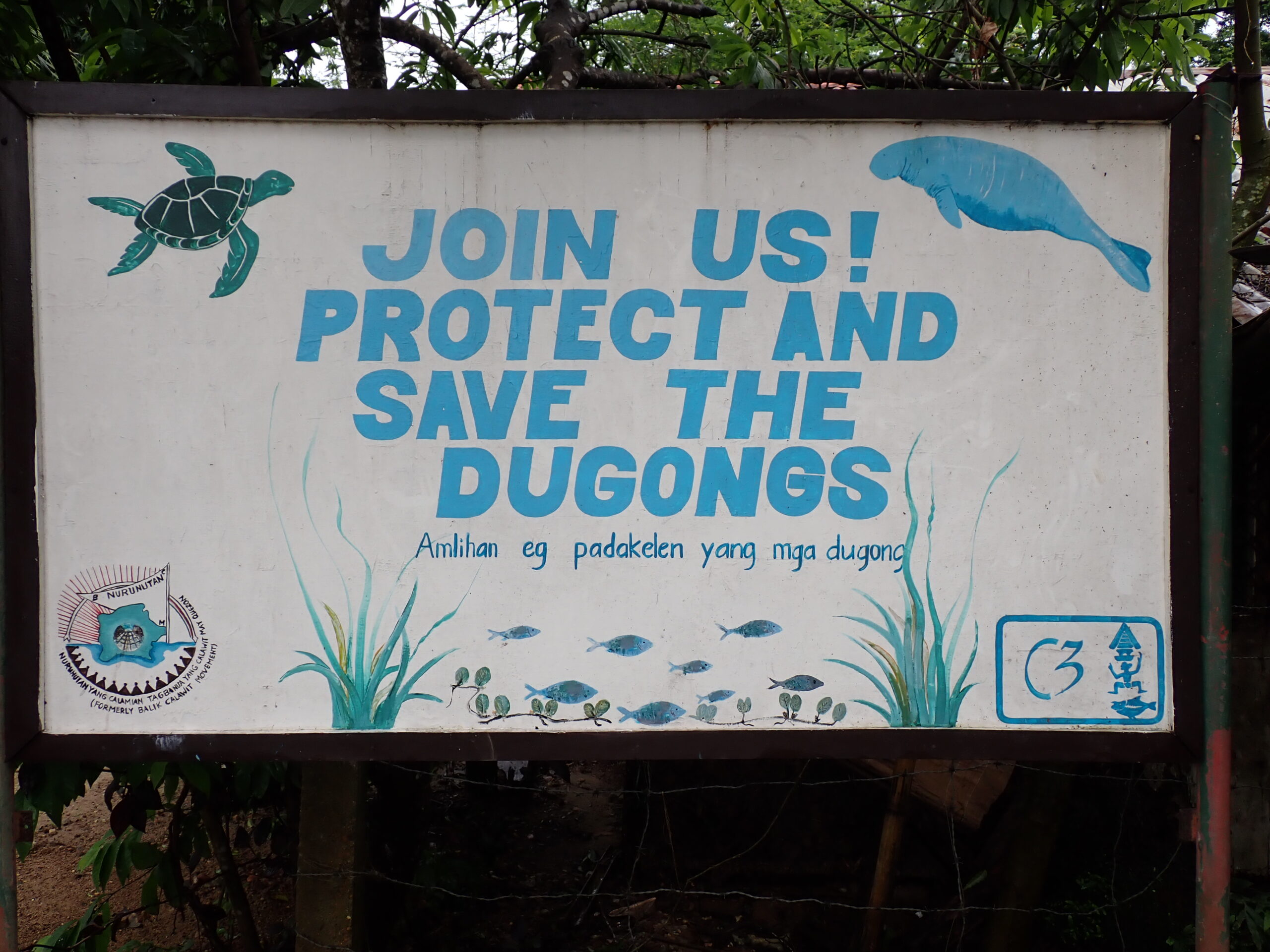
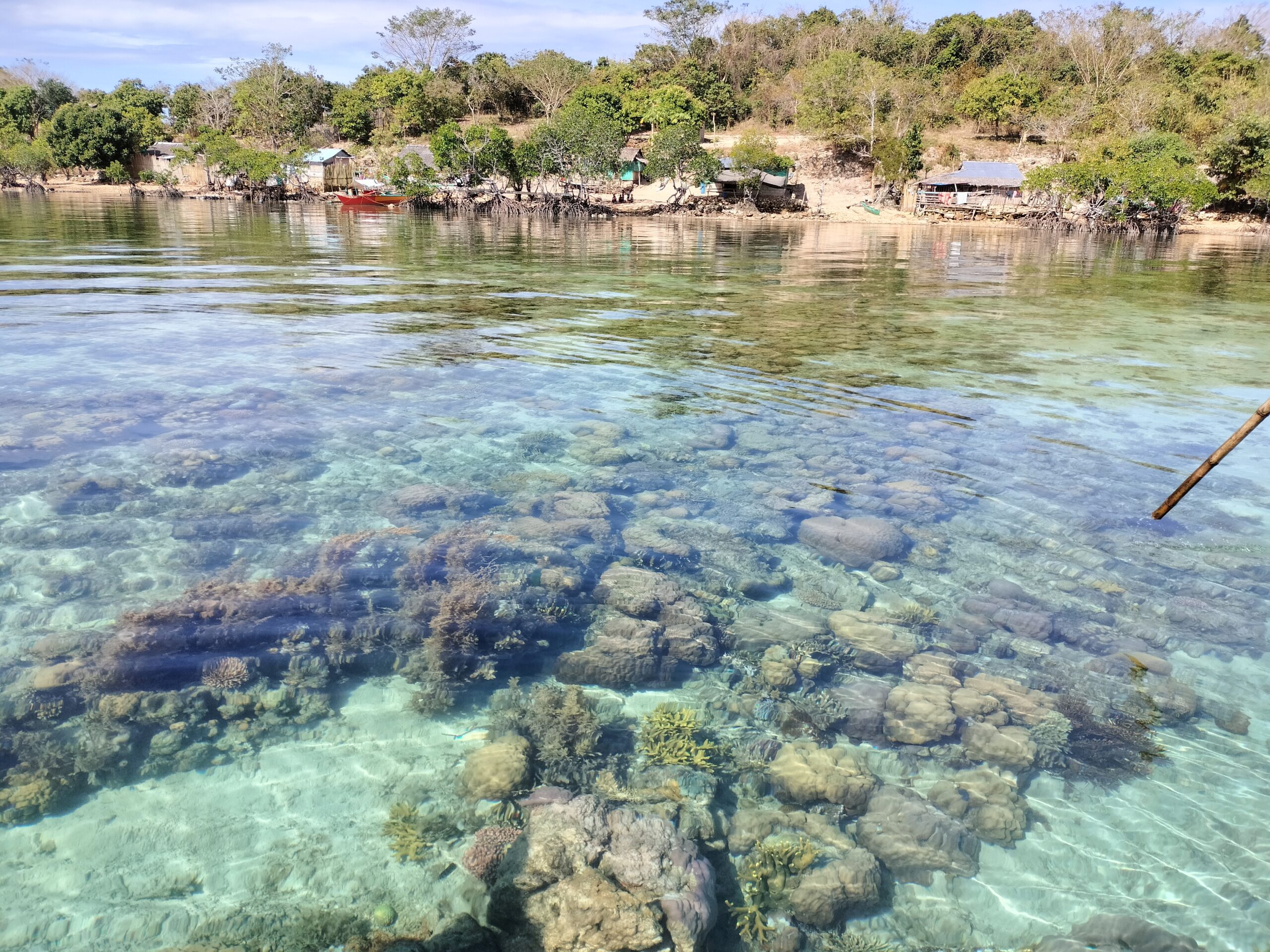
Calawit (Calauit) Island, in northern Palawan, is home to Indigenous Calamian Tagbanwa (Tagbanua) communities whose ancestral waters support important seagrass meadows, mangrove forests, coral reefs and one of the Philippines’ remaining populations of dugongs (Dugong dugon).
Since establishing its field station in the Calamianes in 2011, C3 Philippines has worked with local communities to develop practical approaches to marine conservation that combine scientific research, Indigenous knowledge, community governance and sustainable livelihoods.
Central to this work has been a long-standing partnership with the Nurunutan Yang Calamian Tagbanwa Tung Calawit May Quezon (NTCQ), the Indigenous community organisation representing Calawit and Quezon.
Over successive projects, this partnership has helped establish community-managed Dugong Conservation Areas, strengthen monitoring of threatened marine species, develop responsible wildlife tourism practices and expand women’s participation in managing ancestral marine resources.
The programme demonstrates how Indigenous communities can exercise leadership over conservation decisions while drawing on scientific evidence and technical support from organisations such as C3 Philippines.
Activities
Community-Based Dugong Monitoring and Research
C3 Philippines has worked with the Tagbanwa community and the University of the Philippines’ Institute of Environmental Science and Meteorology (UP-IESM) to develop a community-based dugong monitoring programme.
Beginning in 2017, trained Bantay Dugong (Dugong Guardians), community volunteers and scientists undertook simultaneous land-based surveys to document dugong occurrence, distribution and habitat use.
The programme combined local knowledge, seagrass assessments, mapping and systematic observations from coastal vantage points. Subsequent activities incorporated drone surveys and additional ecological research.
Monitoring continued over successive years. In 2022, 68 community volunteers participated in surveys from 33 observation stations, recording dugong sightings, including mothers with calves.
Read the University of the Philippines’ account of the monitoring programme.
Establishing Indigenous Dugong Conservation Areas
One of the programme’s most significant achievements was the declaration of eight Dugong Conservation Areas covering approximately 617 hectares of Calawit’s ancestral waters in 2018.
Working through the Tagbanwa Council of Elders and NTCQ, C3 Philippines supported community consultations, participatory mapping, seagrass assessments, identification of threats and development of conservation measures.
The areas were declared through an Indigenous community resolution. Management measures included restrictions on destructive fishing, harmful fishing gear, boat speeds and activities that could damage seagrass habitats, coral reefs and mangroves.
Community members participated in identifying boundaries and installing conservation-area markers.
The declared areas were subsequently incorporated into the local marine protected area network of Busuanga, helping connect Indigenous marine governance with wider municipal conservation planning.
This achievement established a practical model for protecting threatened marine species through community-led conservation within recognised ancestral waters.
Responsible Dugong Tourism and Community Livelihoods
Calawit also became an important destination for visitors wishing to observe dugongs in their natural habitat.
Recognising both the economic opportunities and potential ecological risks, C3 Philippines worked with the Tagbanwa community to develop dugong-watching guidelines, train Bantay Dugong rangers and establish procedures for monitoring tourism activities.
The community established its own Dugong Watching Enterprise, providing opportunities to generate income from the responsible use of its ancestral marine resources. C3 provided technical and conservation advice but did not own or operate the enterprise.
In 2018, research undertaken through Radboud University examined dugong-watching practices, tourist behaviour and opportunities for improved management.
The study observed 18 dugong-watching trips, identified shortcomings in the application of visitor guidelines and developed recommendations to minimise disturbance while improving the potential financial benefits for the community.
The findings illustrated the importance of monitoring tourism impacts and adapting community management systems as new economic opportunities develop.
Read the 2018 Radboud University research thesis.
Women’s Leadership in Marine Resource Management
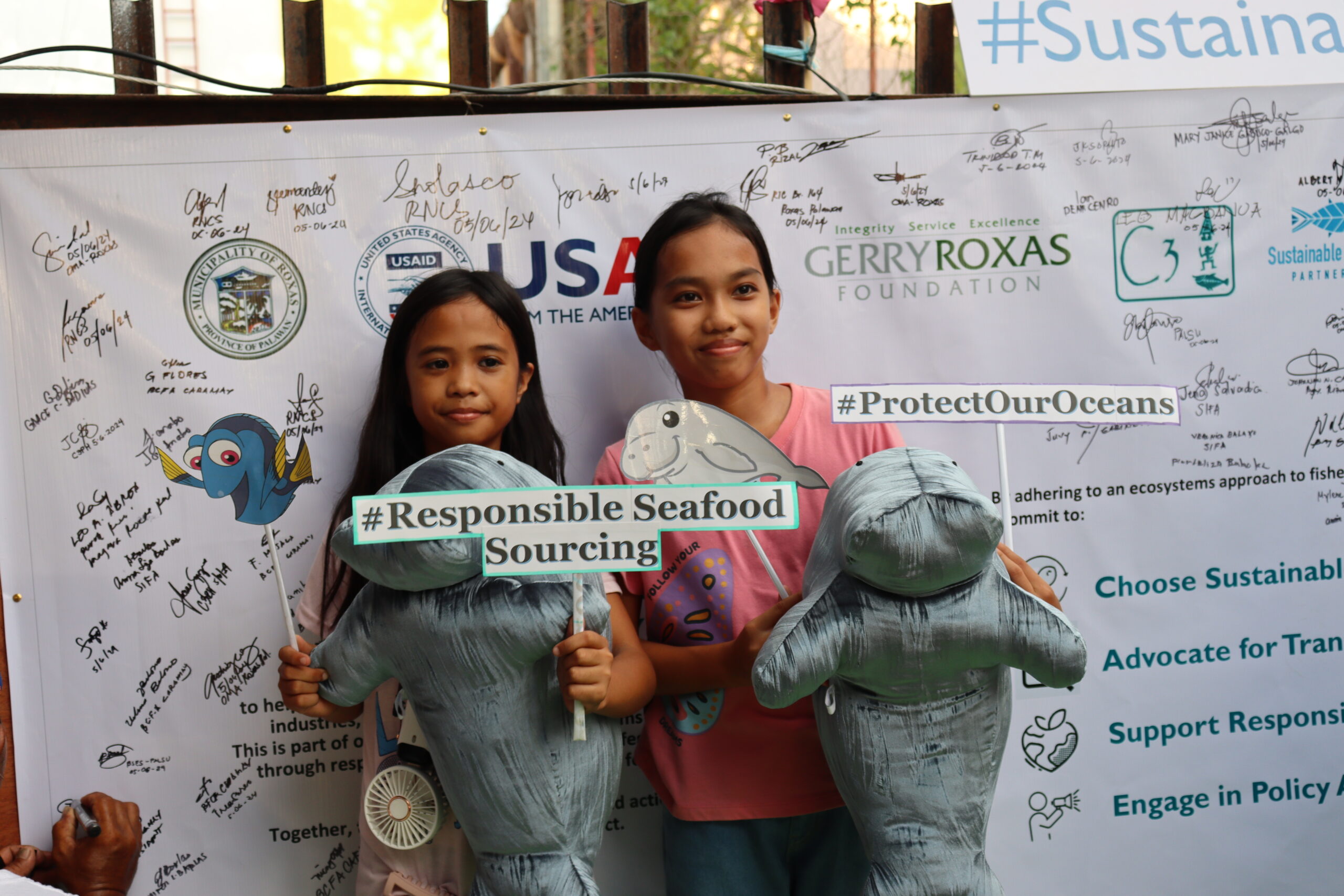
A further milestone emerged through C3 Philippines’ collaboration with the USAID Fish Right Programme and PATH Foundation Philippines.
In 2019–2020, C3 worked with Tagbanwa women and community leaders to establish the Calawit Women-Managed Area, strengthening women’s participation in decisions traditionally dominated by men.
Through a resolution of the Tagbanwa Council of Elders and community leadership, 15 Indigenous women were given management responsibilities over more than 130 hectares of ancestral coastal waters.
The area supports mangroves, seagrass and traditional harvesting grounds for cachipay (windowpane oysters), an important source of food and income.
C3 Philippines supported the women through consultations, capacity-building and preparation of a management framework addressing conservation zoning, harvesting practices, monitoring, enforcement and sustainable livelihoods.
The initiative demonstrated how strengthening women’s decision-making authority can contribute to both equitable community governance and the sustainable management of marine resources.
Read independent reporting on the Calawit Women-Managed Area, originally published by Mongabay.
Strengthening Indigenous Institutions and Conservation Partnerships
Across its different phases, the Calawit programme has supported community leaders, fisheries organisations, Bantay Dugong, women resource managers and local government representatives.
Activities have included training in dugong and seagrass ecology, participatory resource management, environmental monitoring, conservation planning and sustainable livelihoods.
The work has been supported through distinct funding programmes, including the GEF Small Grants Programme, USAID Philippine-American Fund, USAID Fish Right, and marine conservation research grants.
The GEF Small Grants Programme’s project database records C3 Philippines’ 2016–2017 dugong sanctuary project as satisfactorily completed.
These partnerships provided technical and financial support while the Tagbanwa community retained its own governance structures and decision-making responsibilities.
Key Results
Eight Dugong Conservation Areas covering 617.36 hectares declared by the Tagbanwa community in 2018.
More than a decade of dugong conservation work, beginning with C3’s field presence in the Calamianes in 2011.
Long-term community-based dugong monitoring established, with 68 volunteers participating in simultaneous surveys in 2022.
15 Indigenous women granted management responsibilities over more than 130 hectares through the Calawit Women-Managed Area.
A community-owned Dugong Watching Enterprise supported through conservation guidelines, ranger training and independent research
A five-year women’s area management framework developed for 2020–2025, addressing conservation, sustainable harvesting, governance and monitoring.
Community and institutional partnerships strengthened, connecting Indigenous conservation governance with municipal planning, fisheries management and scientific research.
Lasting Impact
The Calawit programme illustrates how marine conservation can be strengthened when Indigenous communities retain meaningful authority over the management of their ancestral waters.
The declaration of Dugong Conservation Areas was grounded in community knowledge, scientific assessment and decisions made through Tagbanwa governance institutions. The subsequent development of the Women-Managed Area extended participation in conservation leadership to women, providing an important example of more inclusive resource management.
Long-term monitoring has also strengthened community capacity to document threatened species and identify priority habitats, while research into dugong tourism has provided evidence for improving wildlife-watching practices and conservation-related livelihoods.
The programme does not, by itself, demonstrate a measurable recovery in dugong population size. Its enduring achievements lie in establishing conservation arrangements, strengthening community institutions and developing practical approaches to monitoring and managing threatened habitats.
Calawit’s experience helped inform C3 Philippines’ subsequent efforts to replicate Indigenous Marine Managed Areas across the Calamianes through the Darwin Initiative, demonstrating the wider potential of locally governed marine conservation.
Contact C3 Philippines
Busuanga Office (Registered Address)
Salvacion, Busuanga
Palawan 5317, Philippines
Manila Office
Jenkinsen Building
80 Timog Avenue
Quezon City, Philippines
Taytay Field Office
Purok 6 San Lorenzo, Poblacion
Taytay, Palawan 5312, Philippines
C3 Philippines (C3PHILIPPINES INC.), in accordance with the Corporation Code of the Philippines, is registered as a non-profit organization in the Philippines under the Securities and Exchange Commission with Company Registration No. CN201115227.